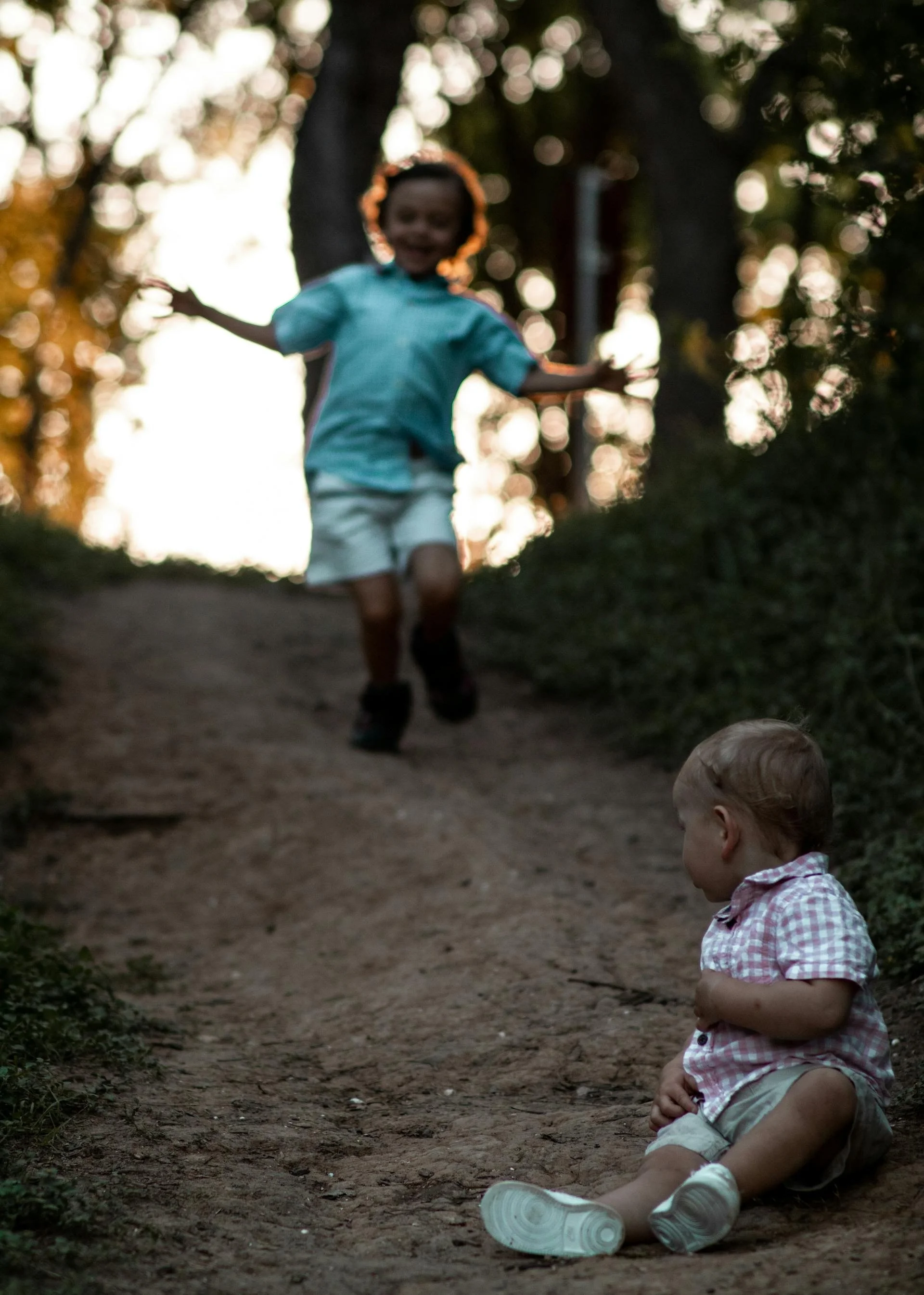
Stop cutting out the tongues of our children
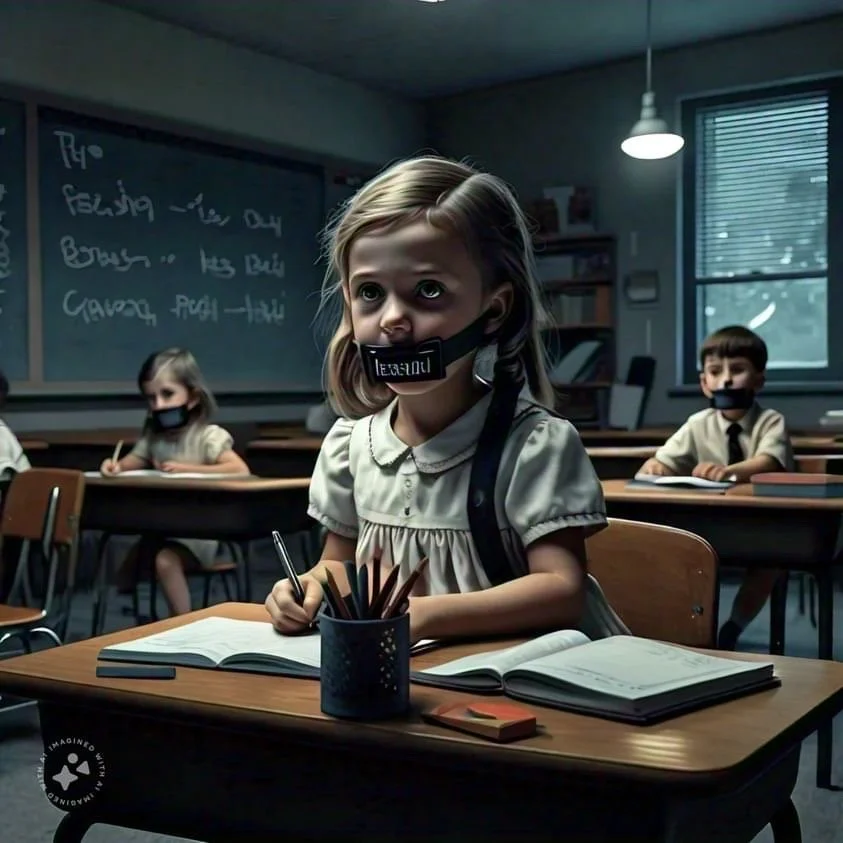
Speaking in the Classroom
In traditional school environments, the rules and expectations surrounding speaking can often discourage children from freely expressing themselves. From the earliest days of kindergarten, children are taught to raise their hand if they want to speak in a group setting, while talking out of turn during individual work is often met with reprimands. All this despite the fact that talking is an important part of information processing and the general learning experience.
This discouragement of speaking occurs for various reasons: to minimise distractions, promote equal participation from all students, time management and to establish an 'atmosphere of respect, discipline and order'.
Undoubtedly, if all 30 children in a classroom were talking simultaneously, it would lead to chaos and hinder the learning process. The confined space and close proximity in the classroom make excessive talking over stimulating and disruptive. However, this raises important questions about the structure of the education system itself.
By consistently discouraging children from speaking out of turn and emphasising the need for permission through raised hands, we inadvertently limit children’s development of self-agency and dampen their human spirit.
Talking is a fundamental aspect of human communication, serving as a platform for the exchange and sharing of ideas. It is through conversation and dialogue that individuals can express their thoughts, perspectives, and experiences, fostering understanding and connection with others.
When children engage in meaningful discussions they broaden their understanding of different subjects, develop critical thinking skills, communication skills and deepen their knowledge of self and others.
It is truly astonishing that we routinely send children into an institution where the very act of free speech, and the open sharing of ideas is stifled and seen as inconvenient within the physical confines of the space.
This reality brings to mind the haunting imagery of the Avox in the Hunger Games, slaves who’ve had their tongues cut out as punishment for being rebels and traitors.
By subjecting our children to an environment where they must constantly seek permission to speak and face chastisement for speaking at the wrong time, we are imposing a culture of restriction and muteness upon them. The collective harm this inflicts upon us is incomprehensible, because we have all been systematically maimed from the tender age of five.
Homeschooling offers a refreshing departure from the norm, giving parents and children the opportunity to experience a life shaped by freedom and intention. Through meaningful connection with family, community, and the wider world, children are empowered to grow with confidence, curiosity, and a strong sense of self.
Home learning creates environments where free expression is valued and respected. In this space, children are encouraged to think independently, speak openly, and develop their own unique and precious voices.
Who knows how our society could change if we stopped systematically cutting out our children’s tongues and instead allowed future generations to grow and learn in ways that truly value their voices? For it is our ability to speak, question, and express ourselves that makes us distinctly human.